Chi: the circulating life energy
that in Chinese philosophy is thought to be inherent in all things
Macabre: dwelling on the
gruesome, tending to produce horror in a beholder
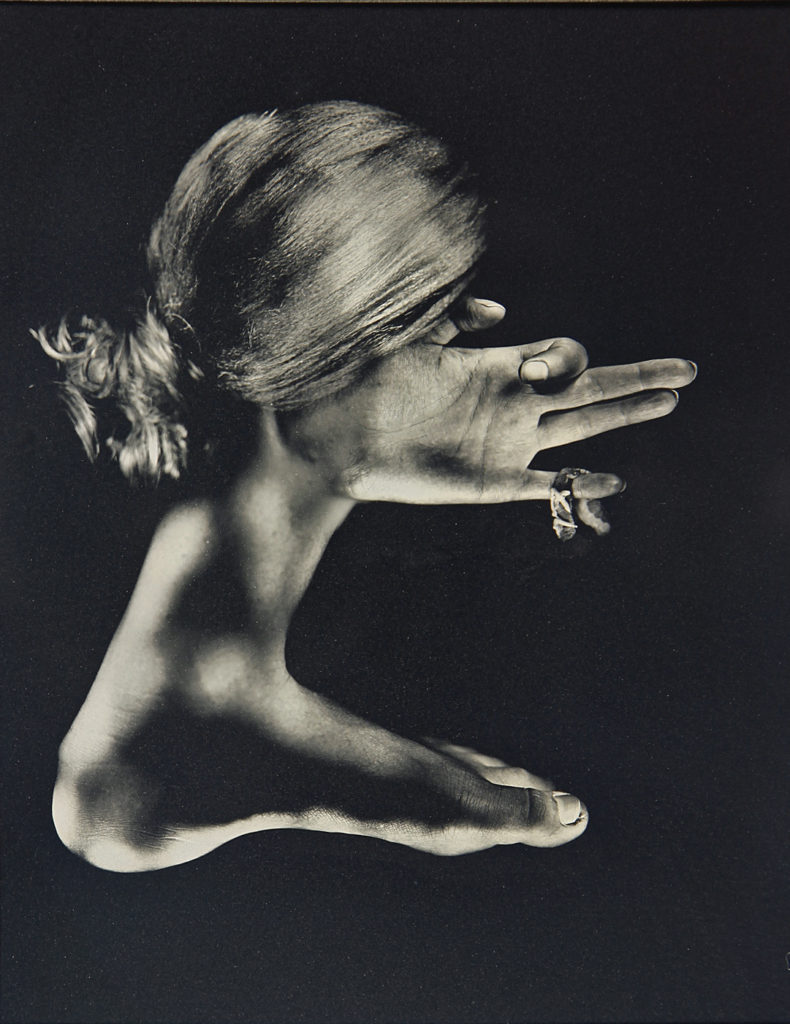
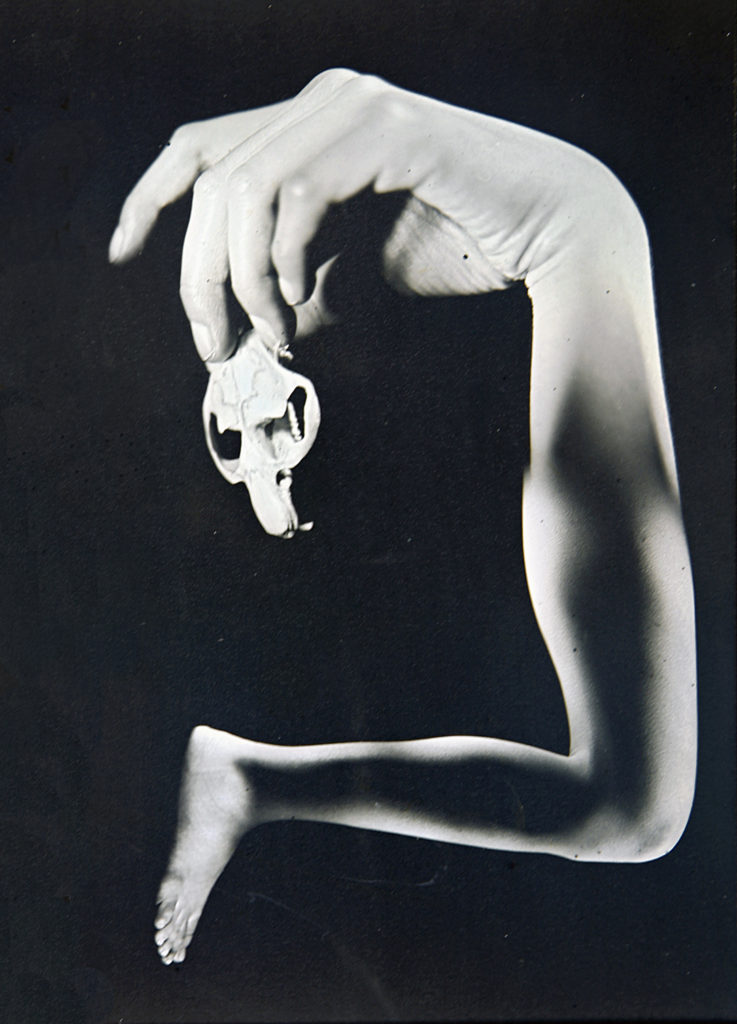
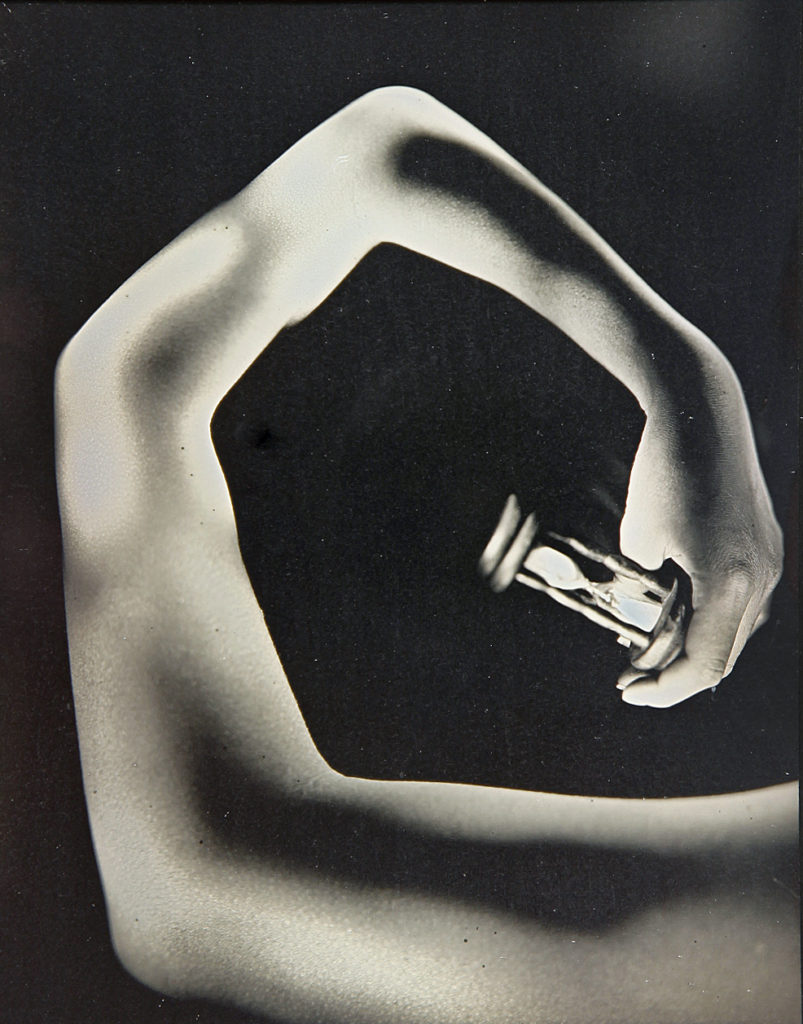
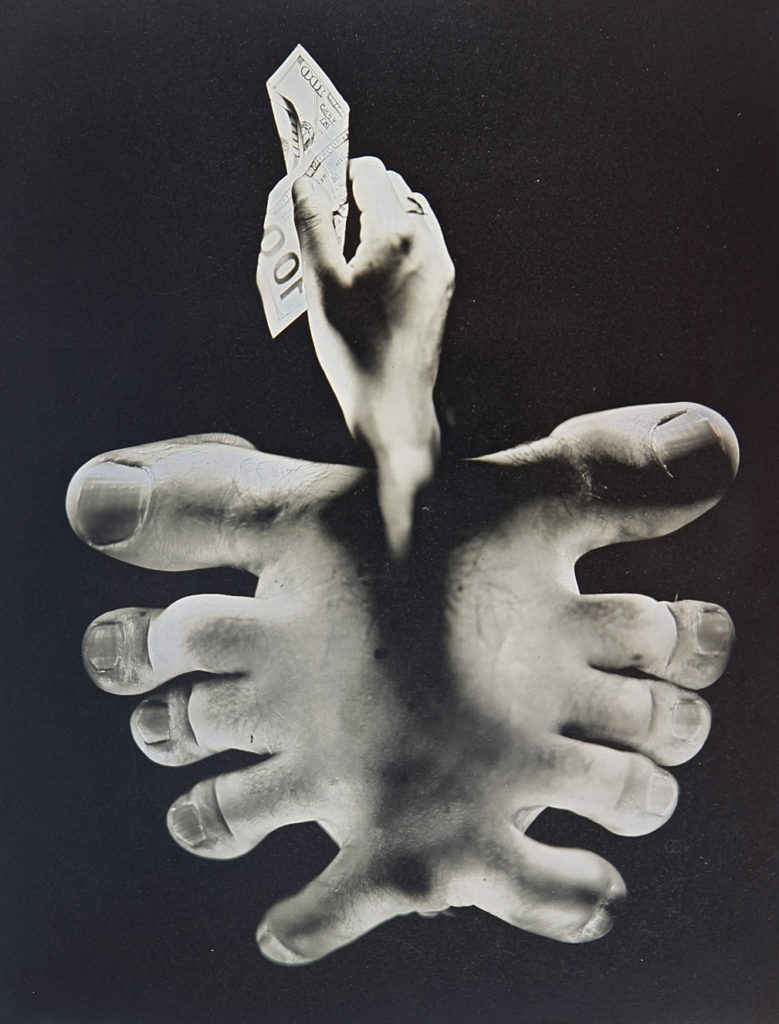
Chimacabres come out at
night. They are around during the day
too of course, but the night is when they really thrive. In the dark it’s harder to tell if you’re
face to face with a fellow person, or if it’s a chimacabre in front of you, and
they don’t even have faces. No, they are
vicious, purely instinctual, unforgiving. They read you with the speed of a car
commercial disclaimer, immediately sniff out the soft spot, and burrow in
mercilessly. Once under their spell,
escape is a struggle, as they are as alluring as dangerous. They vary greatly
in their ranks. Some feed often, while
others only need one hit to fulfill their life purpose. Some may leave you in shambles just minutes
upon encounter, while others plant pernicious seedlings, which will erode your
foundation decades later. It takes a
while to build up immunity to chimacabres, and one is never fully safe, as they
keep evolving and following trends.
These gruesome creatures are actually
our own off-shoot. Through eons, their essence
has been shaped by the foul sludgy runoff from the continuous spiritual
distillation of humanity. Our communal
subliminal fears and basic desires, refined, enlarged, and reinforced by
existential self-perpetuation, remain their favorite delicacies.
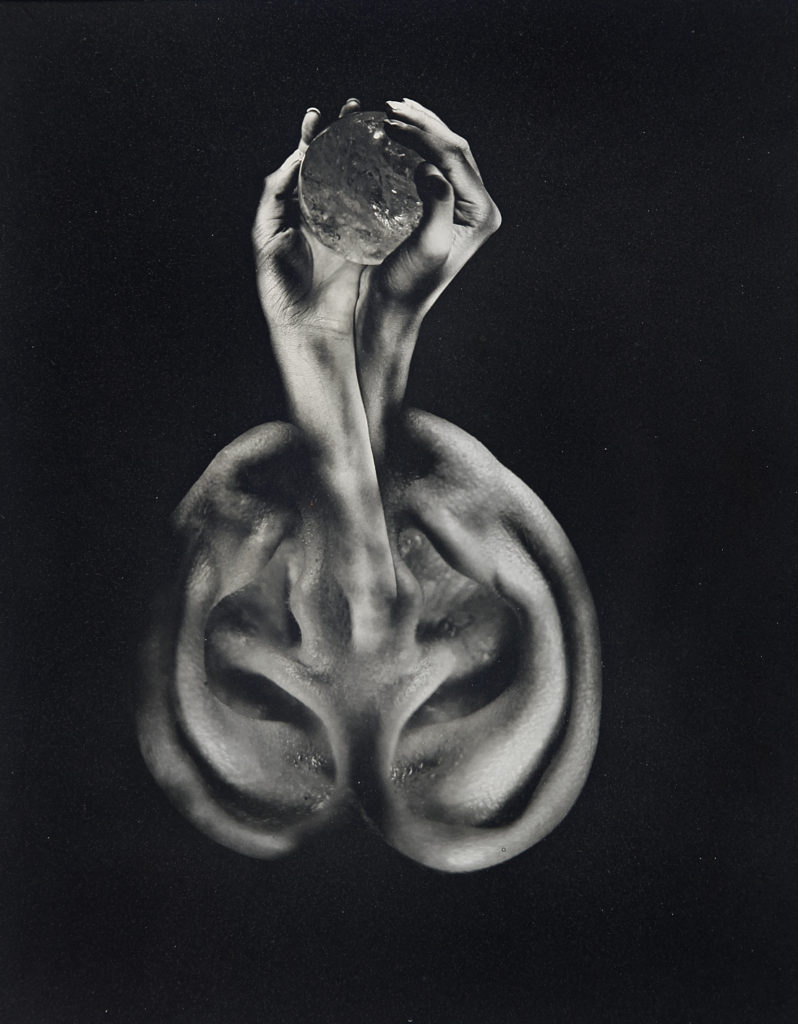
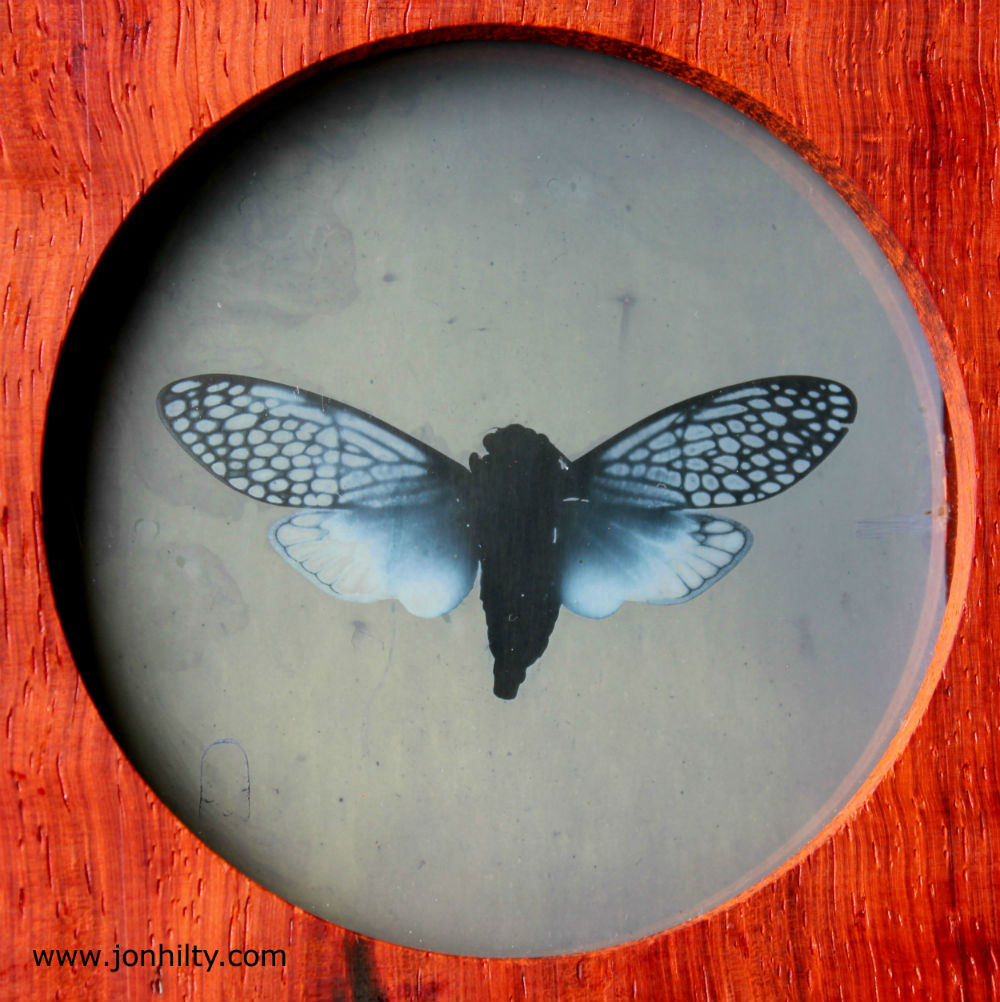
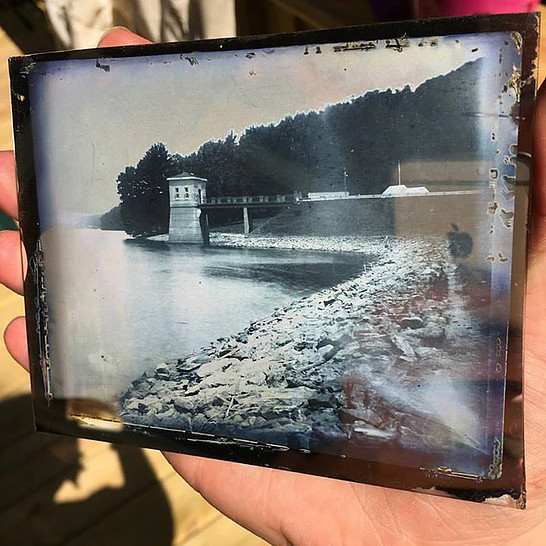
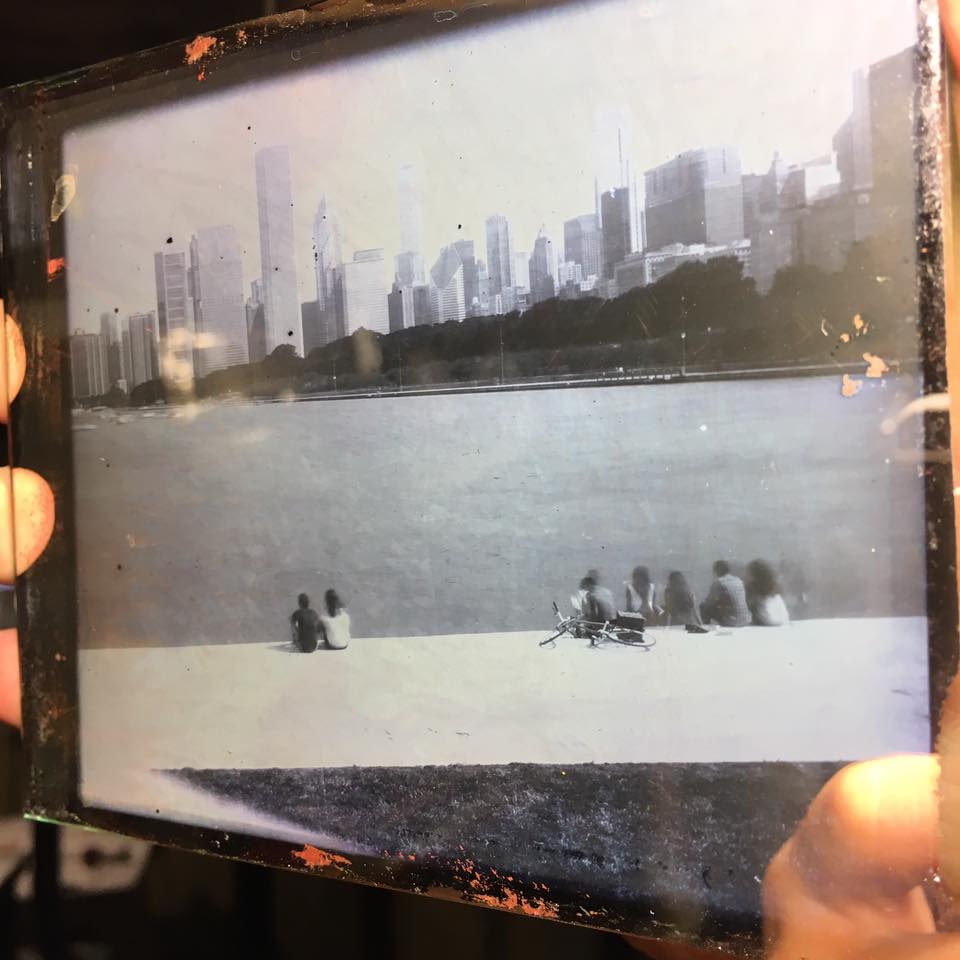
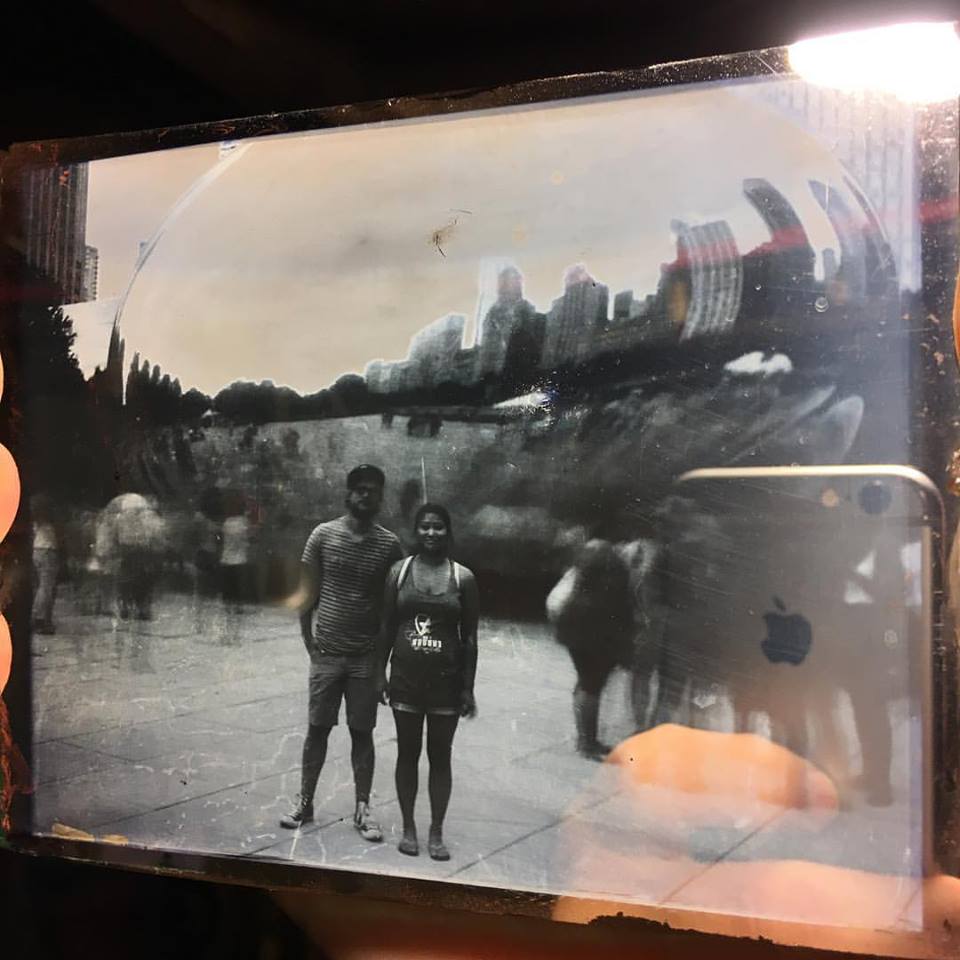
Although chimacabres evolved alongside human species in such a way as to be visually indistinguishable with the naked eye, by pure chance, I discovered that spectral sensitivity of daguerreotype technique, when combined with special lighting, allows for photographic capture of their inner core. Presented here are five 4x5in plates of first clear specimens I was able to portray. I hope to find and succeed in capturing more in the future.
I strongly believe that these images represent the first time ever that daguerreotype technique has been combined with light painting.
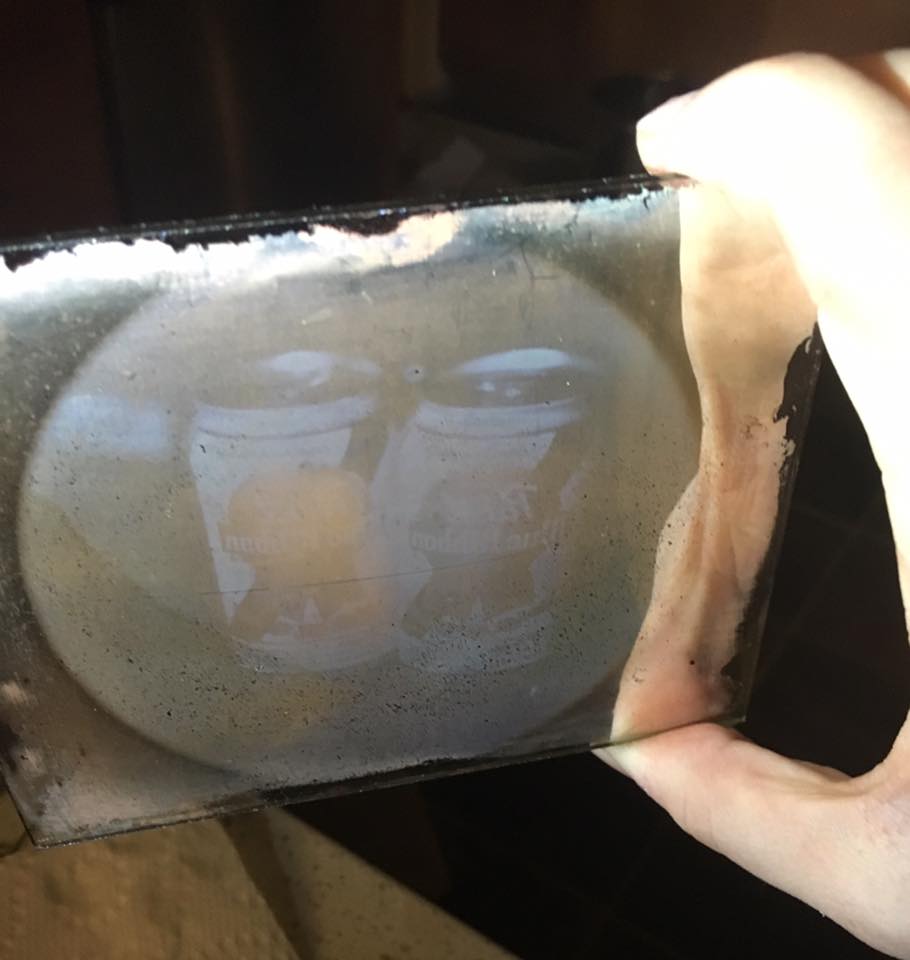
I’ve admired the daguerreotype process for quite some time now, though the idea to “take the plunge” was always a bit out of the question. The plates and equipment tend to be fairly expensive, and working with the chemicals involved can be daunting. After reading about making daguerreotypes on glass, as well as the vague idea that iodine tincture could be used instead of iodine, I figured I’d bite the bullet and see how far I could get. Somewhat to my disbelief, with some silvered glass set on a soy sauce dish full of tincture, I was able to see the plate go through 1st and 2nd cycle colors!
Joining the CDags community is Daniel Carrillo. Based in Seattle, WA, Daniel started off using the Becquerel process and has recently begun working with mercury. His blog documents his experiences with the medium, including moving up to shooting whole plates. Welcome, Daniel!
Two new portraits added to Dominique’s gallery include a self portrait of the artist. They were taken with a Linhof Tech.5, Zeiss Tessar 150mm F/D = 4.5, at 10 and 13
seconds and on 9x12cm plates
Contemporary photographers, Liudmila & Nelson, are a husband and wife duo that are collaborating on a new project consisting solely of daguerrotypes.
They currently reside in Cuba where Nelson is in charge of the Fototeca – the main center that exhibits photographic works. Cuba and the Cuban society are the subject matter in most of their projects. They use the medium of photography to question and depict Cuba within all its tenses (past, present and future) through which it transforms.
Click here more information on their project or visit the artists’ website.
Comments Off on Cuba Has Met Daguerre – A new project
A artist fascinated with a “new way” of creating images is Heather Oelklaus, who now has an artist gallery page at cdags.org. A participant in Takashi Arai’s workshops she has fun experimenting with both mercurial and Becquerel processes. One image was a 9 hour exposure, “I just wanted to see what a long exposure would look like”. Another was intentionally overexposed by 20 seconds in order to obtain solarisation.
A find at the recent Daguerreian society meeting has expanded the date range of Ken Nelson’s collection of post daguerreian era images. Also now in the collectors’ gallery it is a sixth-plate image on a plate manufactured in the 1850’s but the image dating from the 1890’s, signed on the paper tape seal. According to Romer (History of photography vol 1, No. 1, July 1977) and other sources, Steffens was a premier Chicago photographer who briefly revived the daguerreotype in his studio between 1890 and 1900. He used vintage plates and equipment, but apparently took advantage of electricity for his buffing wheels.
Comments Off on Updated gallery – Collectors’ gallery
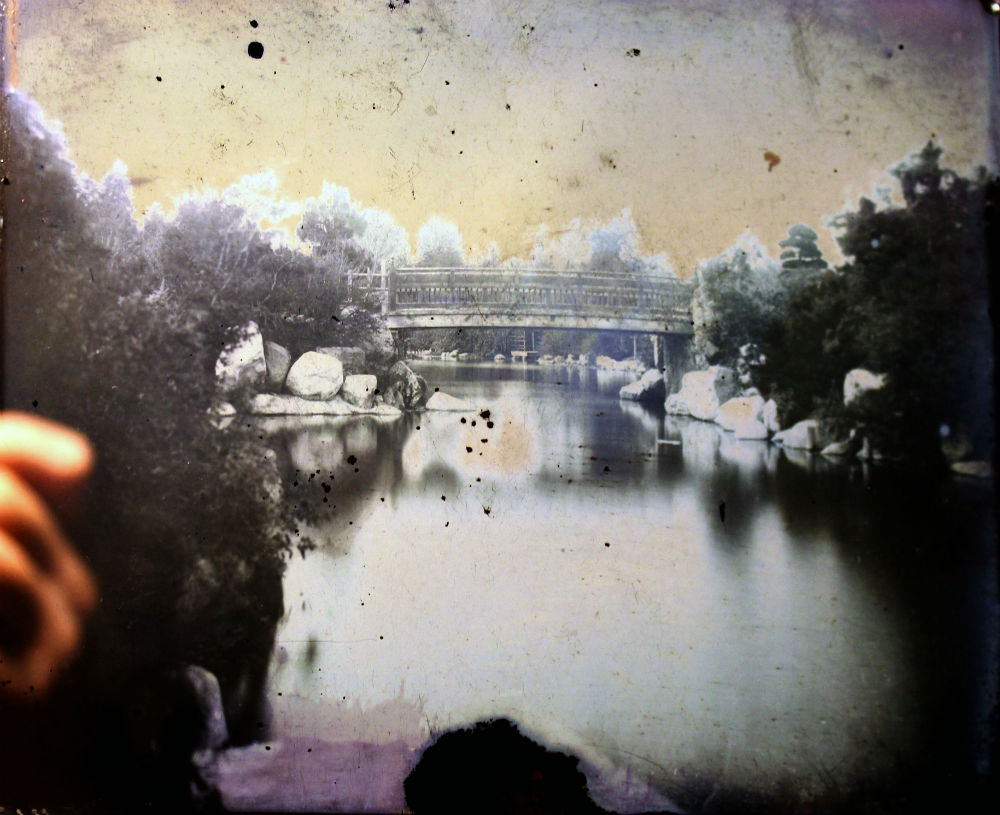
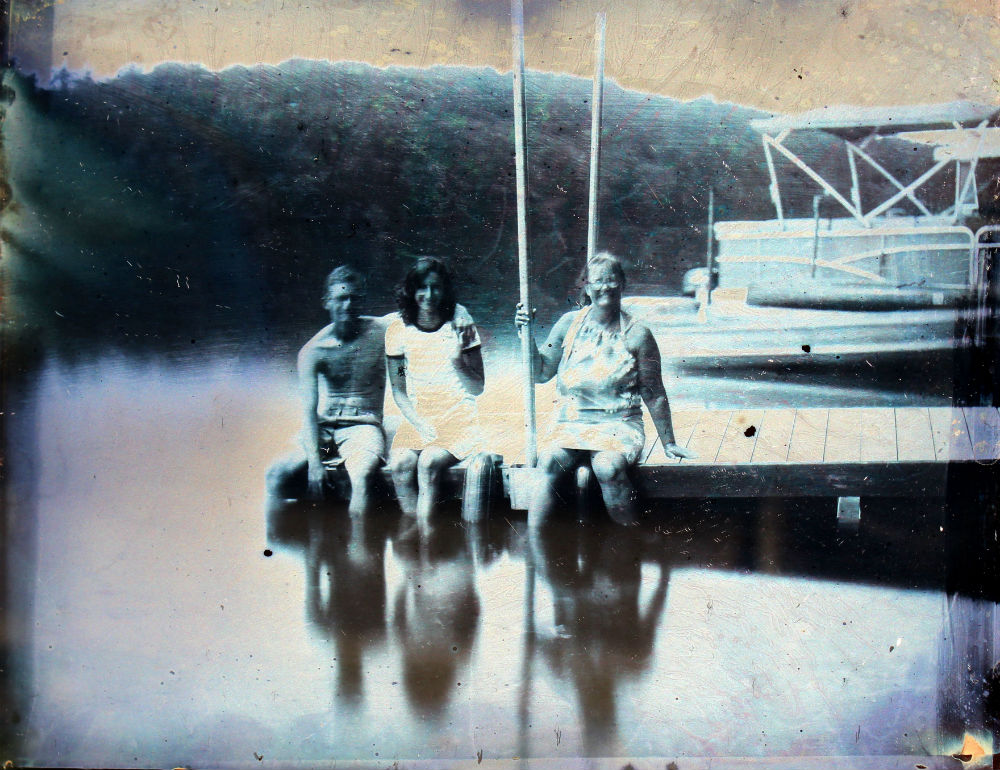
Four images from the 1970’s have been added to the Collectors’ gallery from the collection of Ken Nelson. If you own daguerreian images by other practitioners we would love to add them to the gallery to document the continuation after the 19th century daguerreian era, email them to admin@cdags.org
Comments Off on Updated gallery – Collector’s gallery


 Agárdi, Attila
 Albornoz, Carlos Darío
 Arai, Takashi
 Bailun
 Ballujera, Imanol Gordo
 Barceló, Gabriel
 Bekhuis, Alan
 Bertolo, Rossano
 Carrillo, Daniel
 Choulle, Simone
 Colorado, Oscar
 Costa, Francisco Moreira
 Culver, Sean
 Cynan, Richard
 Etter, Josie
 Gazit, Dafna
 Genty, Dominique
 Hultman, Åke
 Jeong, HaengSook
 Junyi, Li
 Kessell, Mark
 Klups, Jaroslaw
 Ortelee, Marinus
 Penkauskas, Andrius
 Porkkala, Jalo
 Robinson, Mike
 Sabogal, B. Camilo